 As we celebrate 250 years of America, my mind is wandering through the beautiful things I’ve learned about our history. But one of the areas that I have been ruminating on the most is the transition of power. How this great experiment of the American republic relinquishes control due to time or by vote to the constituents it represents. In my mind, this is no small thing and is one of our defining qualities. This was cemented into our society when George Washington did not seek reelection after serving two terms as our first president. In an era of kings, turning over power was an astounding thing. I believe this gets at the heart of the human condition, and an act of turning over power is a part of life that takes place whether we are a willing participant or not.
In Washington’s farewell address, published in a Philadelphia paper, he provides his reasoning for his resignation, his reservations and concerns, and his gratitude to the American people. His rhythm of such a document is applicable in our daily lives as we hand over the power we hold in the areas of our employment, parenting, or in service. The moment should be steeped in purpose, exhortation, and gratitude.
“Every day the increasing weight of years admonishes me more and more that the shade of retirement is as necessary to me as it will be welcome.”
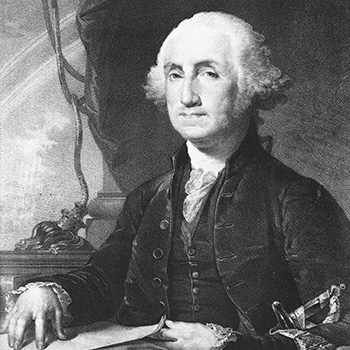 What does it mean to us as individuals to have our predecessors fully explain the reason why they were stepping down? In Washington’s address, he spoke about his exhaustion in his role, helping those who follow behind him understand that the position does not come without its injuries. There is no form or position of power that is carried without its scars. To fully teach our sons and daughters that being a father, mother, parent, and spouse is both full of joy and a weight that is not understood until it’s carried.
To help those moving into management roles be offered the wisdom and preparation required. This is not a speech of “just you wait,” but rather lovingly preparing the soldier for the fight. As the address develops, it becomes evident that he is fully convinced that his time has come to an end, but, as any great leader, he still struggles with letting go and realizing that this will be done in faith.
“These will be offered to you with more freedom, as you can only see in them the disinterested warnings of a parting friend, who can possibly have no personal motive to bias his counsel.”
When am I able to fully hear the warnings of others? They first have to be informed on the issue at hand. Someone who is an expert on the situation, with relevance of time. It is also best if they do not have the ability to benefit from the situation one way or the other. If they benefit to my harm, then there’s no trust. If they benefit with my profit, then I could move into an area that is unjust. Having someone that is completely unbiased, but fully informed, is a gift to incoming leadership and should be treated with the utmost respect.
To the same, for those who hold the opportunity to offer this type of perspective to their successors, the moment should be offered in a humble posture and an eager manner. I feel the hope should communicate both confidence and concern. I suspect that the pathway to this posture would be filled with sobriety of the weight of power, the understanding of unintentional errors, and a heart overflowing with gratitude.
“The ever-favorite object of my heart, and the happy reward, as I trust, of our mutual cares, labors, and dangers”
 As Washington finishes his final address to a people that he’s led, bled with, and cared for, he resigns his power and then takes a position of submission. This movement happens in daily life with or without our permission. We can see this in aging parents who are cared for by their children, the day the keycard stops working after retirement, or when the family business is turned over to the next generation. I don’t think this shift happens overnight or that we learn this reality unless it’s practiced daily.
Washington’s circumstances may have been more evident because he was working to stand up a new nation and the call was clearly bigger than him. But are the souls under our care any less valuable? The long view of our children, direct reports, or those affected by our service is one of eternal value, which makes our exit strategy one that should be marked with a moment that benefits the work they have ahead.
July 2026