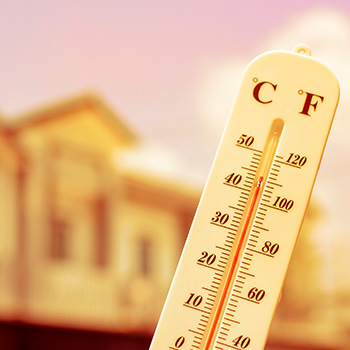
 Recent summers have been relentless, bringing temperatures above 90 degrees, heavy humidity, and rising electric bills as air-conditioning systems run nearly nonstop.
For homeowners managing mortgages and household expenses in places like Pembroke Pines or Lakeland, passive radiative cooling offers a low-effort way to reduce heat exposure. These materials are designed to reflect much of the sun’s energy while releasing heat away from the building, all without using electricity.
How Passive Radiative Cooling Works
Advanced coatings, paints, films, and roofing materials act like a thermal shield.
They reflect solar radiation and emit infrared heat through what is known as an atmospheric window. As a result, roofs and exterior walls can remain significantly cooler under direct Florida sunlight.
Rather than generating cold air like an air conditioner, passive radiative cooling reduces the amount of heat a building absorbs in the first place.
Passive Cooling Options for Florida Homes
Several passive cooling technologies may become increasingly accessible to homeowners in 2026.
- Cool roofs: White thermoplastic polyolefin, or TPO, membranes, cool-pigment metal roofing, and reflective shingles can substantially reduce roof surface temperatures. These materials may be especially useful in hot, humid climates.
- Radiative coatings and films: Thin reflective layers can be applied to roofs, walls, and, in some cases, solar panels. Certain newer products are designed to be affordable, easy to apply, and capable of improving solar-panel performance by reducing heat buildup.
- Radiant barriers: Radiant barrier decking helps reflect heat before it enters the attic, reducing the burden on the home’s cooling system.
- Attic insulation and air sealing: Closed-cell spray foam, improved insulation, and proper air sealing can complement a reflective roof by limiting the movement of heat into living spaces.
Strategic shading and window treatments: Exterior shading, reflective window films, and energy-efficient window coverings can further reduce solar heat gain.
 Potential Energy Savings in Florida
 Potential Energy Savings in Florida
The roof is often one of the largest sources of heat entering a Florida home. Reducing roof temperatures can help lower attic temperatures and improve indoor comfort.
Depending on the home, climate conditions, materials used, and the quality of the installation, passive cooling improvements may contribute to:
- Lower roof and attic temperatures
- More comfortable indoor spaces
- Reduced demand on the air-conditioning system
- Lower summer cooling costs
- Less wear on HVAC equipment
- A potentially longer service life for the air conditioner
Savings are often greatest when reflective roofing or coatings are combined with insulation, air sealing, radiant barriers, and other energy-efficiency improvements.
Choosing the Right Passive Cooling Upgrade
The best place to begin depends on the age, condition, and design of the home.
- During a roof replacement: Consider cool roofing materials for the greatest long-term impact.
- For an existing roof: Reflective coatings or films may offer a less disruptive retrofit, depending on the roof material and condition.
- For condos or smaller properties: Window films, shading, and approved reflective exterior treatments may provide practical alternatives when major roof modifications are not possible.
- For a whole-home approach: Combine passive radiative cooling with attic insulation, radiant barriers, efficient thermostat settings, ceiling fans, and routine HVAC maintenance.
Before beginning a project, homeowners should consult qualified roofing and energy professionals to determine which options are appropriate for the property.
Explore Rebates and Efficiency Incentives
Some homeowners may qualify for federal, state, local, or utility-sponsored energy-efficiency incentives.
Programs and eligibility requirements can change, so homeowners should verify available rebates before purchasing materials or beginning installation. A qualified contractor or energy auditor may also help identify programs that apply to a specific project.
Why Passive Radiative Cooling Matters in 2026
 Why Passive Radiative Cooling Matters in 2026
Passive radiative cooling turns one of Florida’s greatest climate challenges, intense sunlight, into an opportunity to improve efficiency.
It is largely a set-it-and-forget-it technology. There are no apps to manage and no additional electricity required. The materials simply use reflection and heat radiation to help keep a building cooler.
For busy professionals, families, retirees, and homeowners looking to control rising household expenses, passive radiative cooling may offer a practical way to improve comfort without placing even more demand on the electrical system.
As these materials become more widely available, homeowners may see better affordability, more product choices, and increased adoption throughout Florida.
Could a cooler roof help create a cooler home, and a little more room in your monthly budget?
August 2026